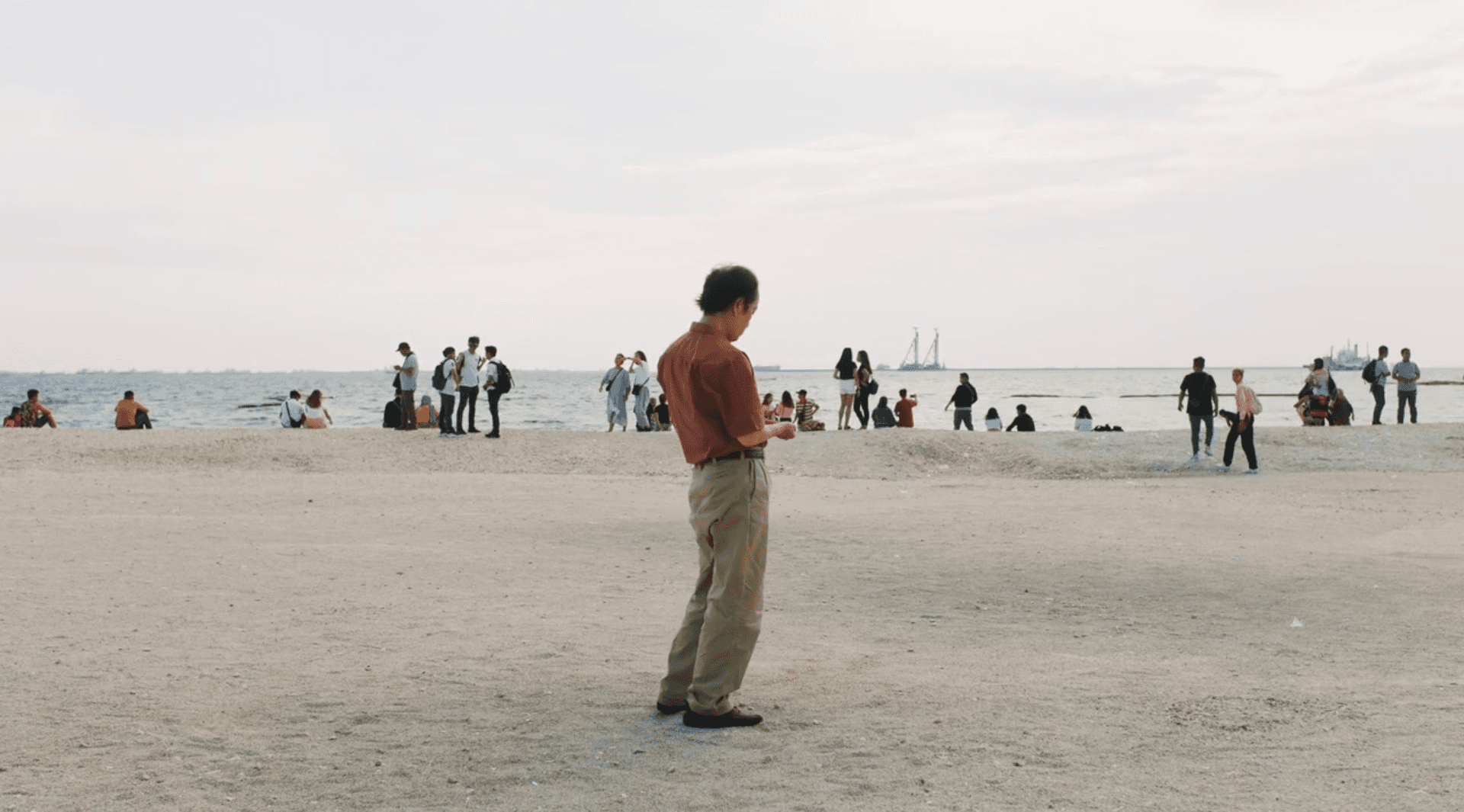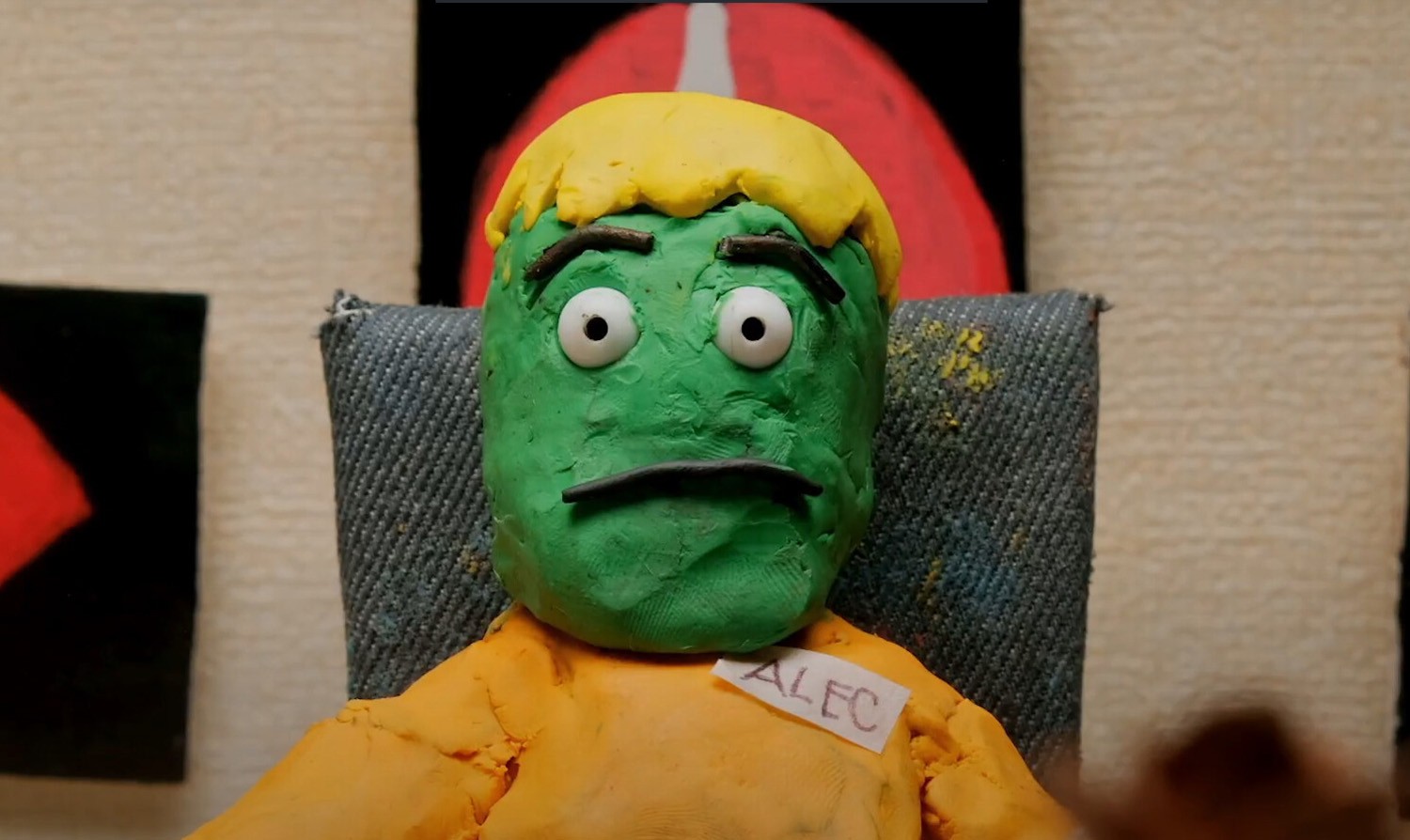
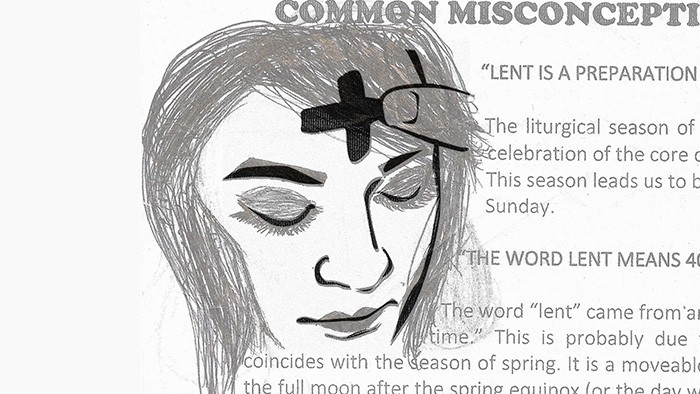
The life of a closeted student in a Catholic all-boys high school is revisited through the documents and sounds that frame his journey of discovery. The papers unfold to reveal his experiences with academics, religion, sexuality, and a country filled with political turmoil and patriarchal standards. What begins as an intimate act of looking back gradually transforms into a complex, layered portrait of growing up under systems that shape, constrain, and define young Filipinos before they can even understand themselves.
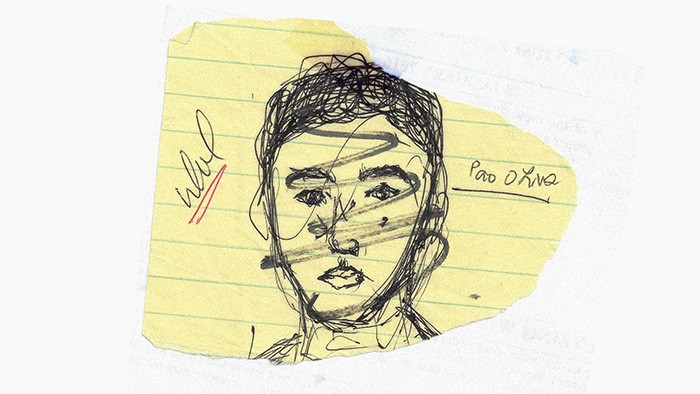
Miguel Lorenzo Peralta uncovers the interwoven layers that surround his high school experience in Please Keep This Copy. Disconnected text, defiant scribbles, and vulgar language weave a narrative that is both familiar and new to the audience—occurrences that mirror their own, yet told in a perspective that they’ve never taken to consider. Instead of offering a straightforward narrative, it lets us piece together a student’s life through the clues and annotations left by someone trying to navigate who he is and who he isn’t allowed to be. These fragments of Miguel’s life turn into a metaphor for the fragmented sense of self that many queer Filipino students learn to navigate within these institutions and expectations.
Philippine culture is filled with practices of keeping the seemingly mundane scraps from our everyday lives rather than tossing them into the landfills. While a single document may only capture a fragmented glimpse of a moment in our lives, the film proves to us how stories can be found in the most unlikely of places; how another man’s trash is another man's treasure.
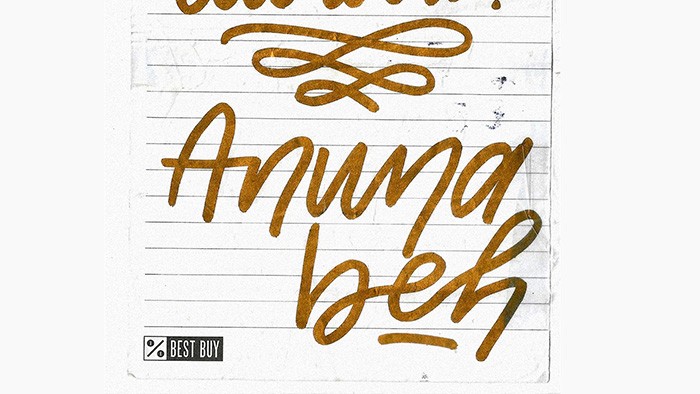
The audience are immediately immersed in the film’s distinct storytelling style through the very first document, a high school entrance exam permit. We’re introduced to important details that help shape Peralta as a person: Filipino. Roman Catholic. How these attributes are shared with the audience is simple yet impactful, given the medium. The permit goes beyond being just an old document and becomes a narrative vehicle that sets the stage for what’s to come. This constant conversion of seemingly insignificant scraps to important parts of a person’s transformative years forms the heart of the film and its story, making it an extremely engaging and memorable watch.
Pushing the film’s storytelling further are archival sounds that build on the accounts portrayed by the visuals. These noises draw on the significance of the presented documents, and they highlight how external events and internal teachings affect students and their dispositions. The seemingly belligerent youthfulness displayed by most Philippine high school students is juxtaposed with the country’s political state during Peralta’s high school years. A period of growth and exploration is happening as the rise of an authoritarian figure pushes machismo values and restricts the minds of Filipinos. In the classroom, teens are rowdy and clamorous, profane notes and crude doodling fascinate them more than lectures. However, their delinquency becomes a type of candor within an institution formed by rigid structures.
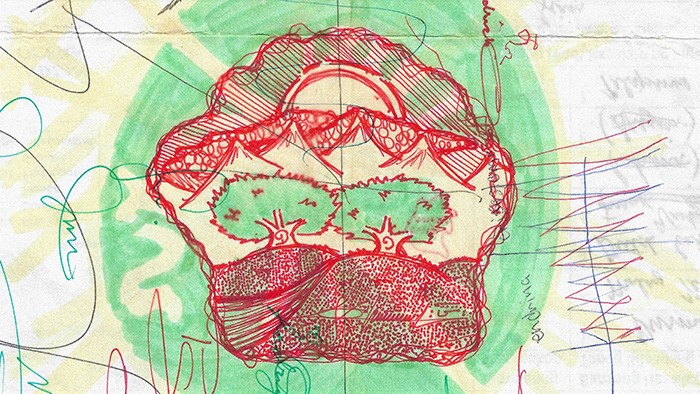
These scraps, no matter how personal or chaotic, carry power. Keeping items that seem worthless to others is, in its own way, a reclamation of narrative in a world and period eager to dictate who you are and what you should be. Focusing on the disposable invites us to confront our own histories, while being critical of the systems that taught us to undervalue them in the first place. The demands of conformity in a Filipino high school are deeply relatable. Students learn early on which behaviors are praised and which identities must be kept hidden, often internalizing these rules that hinder us from standing out. These differences become something to manage quietly rather than express openly.
The documentary makes a splash with its unconventional take on the medium, telling us a story through its frenzied representation of youth. It becomes triumphant in its message by refusing to simplify these scraps into a neat moral lesson. The high school experience connects the audience to the internal and external chaos of a student trying to reconcile all these clashing parts of himself. Adolescent discovery in the face of upheaval from external factors with its vibrant energy becomes a refreshing message, that makes it stand out from typical coming-of-age films. Please Keep This Copy does more than document the raw experience of growing up as a teenager; it preserves a truth many have felt, but could not voice.

Related Articles
/
Andrea Erin Brigino & Cassandra Khaine Odanga