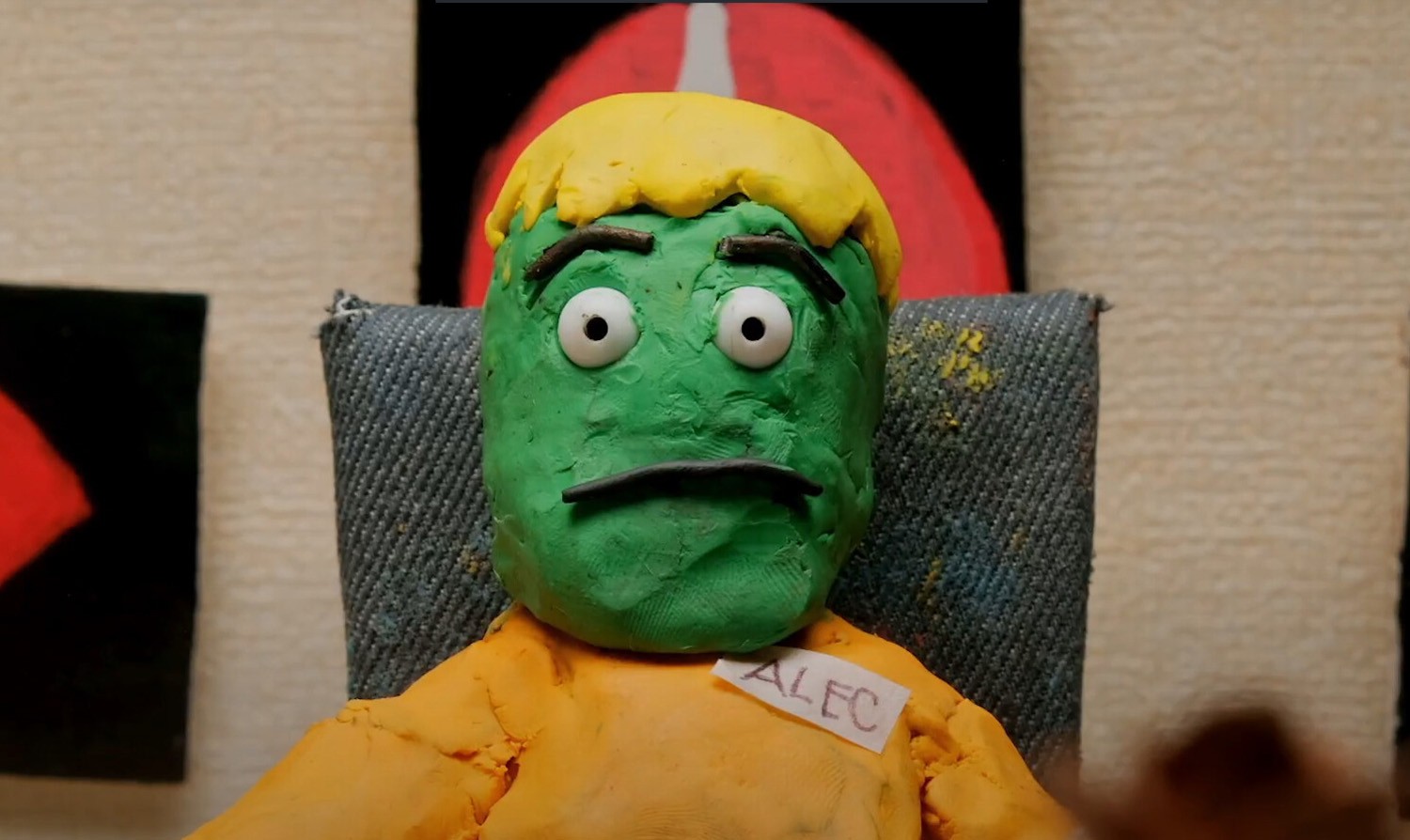
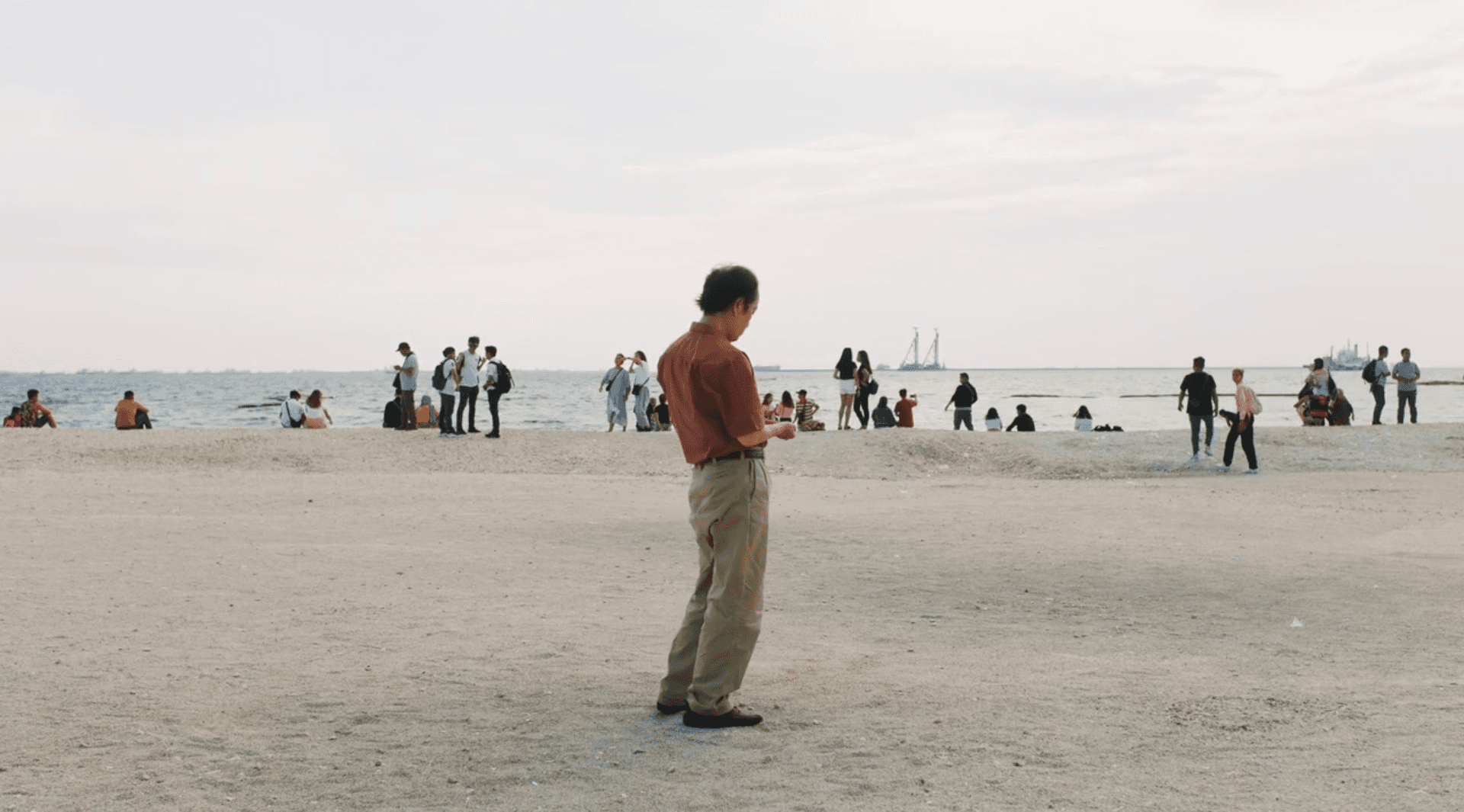
On the 15th of November 2025, Diamonds In The Sand (2024) premiered at the QCinema International Film Festival. The film tells the tale of Yoji, a divorced and demoted Japanese man who follows a Filipina caregiver to the heart of Manila after his mother’s death; what follows is a poignant exploration of the self, the culture that forms one’s perspectives, and the people who transform our lives.
Not just your typical screening, the audience was also treated to a gala and talkback with the cast and crew—becoming fully immersed not only in the world of the film but also the process involved in its creation. With this in mind, we realize that Diamonds in the Sand is a film that centers upon a quiet yet unsettling question: what does it mean to die alone?
For some souls in our world, this query has already been answered. Referred to as ‘lonely deaths,’ Kodokushi is a Japanese term used to describe cases where a person passes away, only for their bodies to be discovered after a lengthy period of time. In the film, Kodokushi is tackled straight on as Yoji discovers his neighbor’s decomposing body. This encounter, paired with his mother’s passing, sparks a sense of change in Yoji, setting off the chain of events within the film’s plot.
Kodokushi captivated the film’s writer and director, Janus Victoria, when she saw a discussion of the concept in a magazine. It sparked a sense of curiosity within her that led to an emotional investigation into why we're scared to die alone. The script for Diamonds in the Sand took 5 years to write and has been pitched to producers since 2013 with little success. It finally got its break when it received grants from the Film Development Council of the Philippines, QCinema Project Market, and other related institutions. The production of the film itself was no easy task either. Part of the process entailed constant consultation on the accuracy of cultural elements, though Victoria’s experience in documentary filmmaking proved useful in leavening the load. This attention to detail greatly contributed to one of the film’s strongest elements–its delivery of the contrast between Japan and the Philippines.
Culturally, the film positions Japan and the Philippines as vastly different worlds, particularly in how each society values community and daily life. Japan is depicted with a stark sense of realism: a country defined by efficiency, routine, and restraint. The opening shots linger on the protagonist’s quiet, almost mechanical existence—an isolating life unfolding within a relentlessly bustling city. By chance, he finds himself traveling to the Philippines alongside his mother’s caretaker, a journey that confronts him with a culture entirely unlike his own. The contrast is immediate and overwhelming: the cramped, winding streets of the Philippines against Japan’s contained order; the way noise fills every corner over silence; and the surprising cheerful nature of funerals that are somehow lively, not gloomy. Through this unexpected journey, the film shows how a once-stagnant life can begin to move again, where hope emerges despite everything, however unrealistic it may be—like finding diamonds in the sand.
Overall, the film combines the themes of isolation and finding community, asking what one is meant to do in a world that never seems to pause. Life moves forward relentlessly, indifferent, despite suffering and loss. Death, loneliness, and the fragility of our existence linger quietly in the back of our minds, and Diamonds in the Sand is unafraid to tackle these truths head-on. The film serves as a testament of how one can endure, connect, and keep moving forward despite it all.

Related Articles
/
Andrea Erin Brigino & Cassandra Khaine Odanga