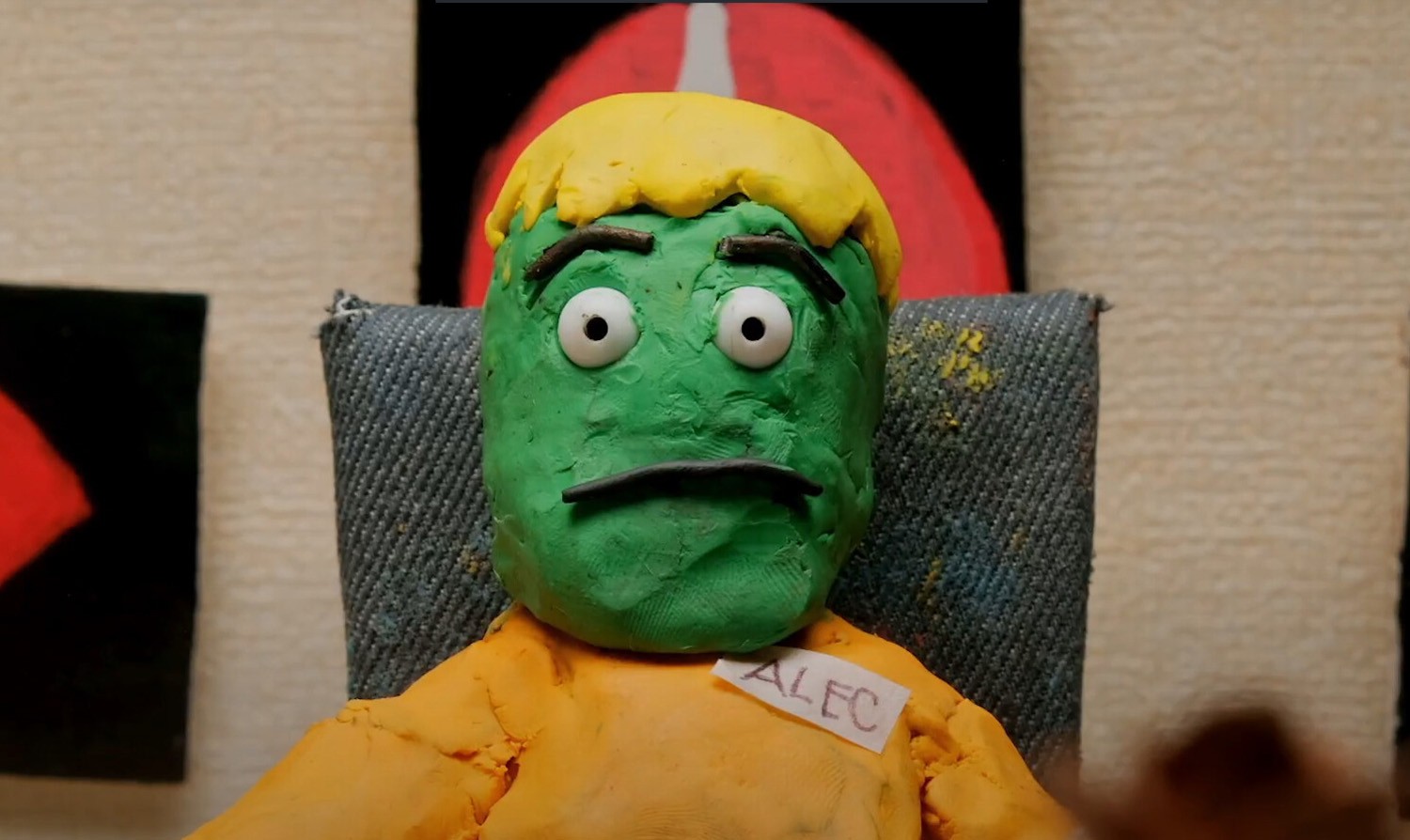
When Alec Dominguez returns to the orphanage owned by the gay philanthropists who adopted him, trouble quickly follows. What starts as an idyllic reunion with old childhood friends becomes a sharp reminder of their different lives. Written and directed by Elian Idioma, I’m Best Left Inside My Head is a thought-provoking Cinemalaya 21 three-part short. It evokes two claymation powerhouses: first, the dark humor and social commentary of Adult Swim’s Morel Orel; second, the whimsical eccentricity of Nickelodeon’s Purple and Brown. Still, it is its own beast, especially with its creative story climax — a bloody, gruesome, and raw sequence. In many ways, the film captures the anger and frustration orphans are rarely allowed to show. As a result, it becomes a catharsis for those unfamiliar with the privilege of a loving family and a sobering wake-up call for those who do.
[source: Cinemalaya]
TUGON: Talking About The Untold, Unfixed, and Unfolding Problem
On November 7, 2025, TUGON Ateneo hosted a film screening of I’m Best Left Inside My Head. It was part of the submission catalog of the 21st edition of Cinemalaya, winning the creator the title of Best Director. Kiara Tan, Richelle Piedra, Bea Marasigan, and Jonathan Fuñe imparted provocative, heartbreaking, and heartwarming anecdotes before the film. Each guest speaker has dedicated years to championing and defending the underprivileged and orphaned children in the Philippines. They shared their experiences and lessons learned about displacement and the quest to find better placement for abandoned youth.
One of their most profound messages was that people shouldn’t be afraid to delve into the ugly side of our social reality when it is a serious malady. People need to invite the conversation into the open instead of sweeping it under the rug. However, spreading awareness alone can’t cure illness in society, and is primarily a band-aid to this gaping, bleeding wound. But the device we choose to communicate those heavy woes is what makes or breaks an advocacy campaign — an adhesive that, when combined with the antibiotic of genuine action, becomes an effective remedy to areas of our national body. With productive critique, service with appreciation, and going all out doubtlessly with empathy, I Am Best Left Inside My Head blends the core competencies of TUGON and Loyola Film Circle into an endearing, colorful, and powerful depiction of one of the greatest issues our archipelago faces today. When people are forgotten because they don’t belong to anyone, do we press on with our existence, or do we have the heart to say this is wrong and stand for what is right?
Introduction
[source: Cinemalaya]
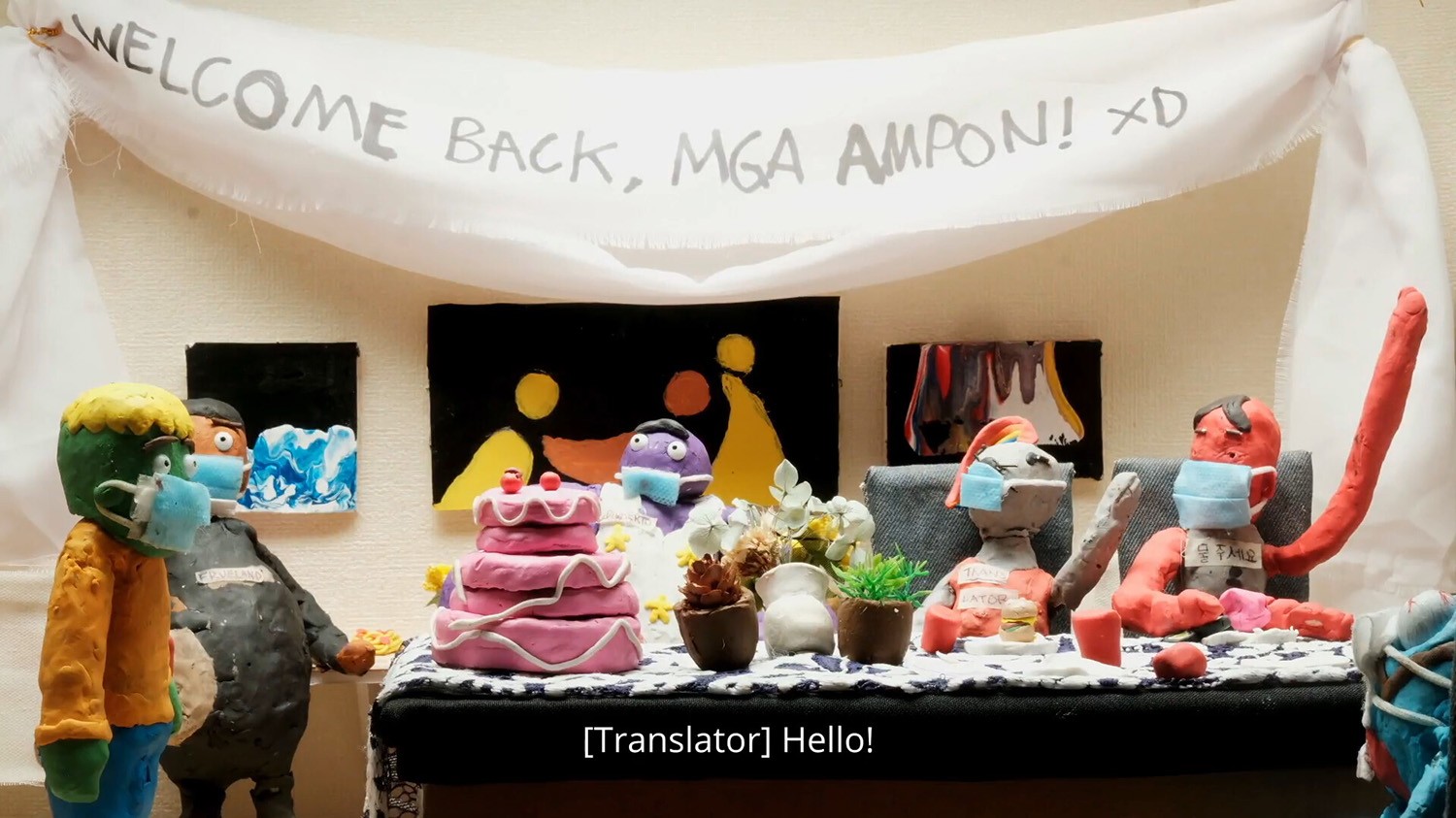
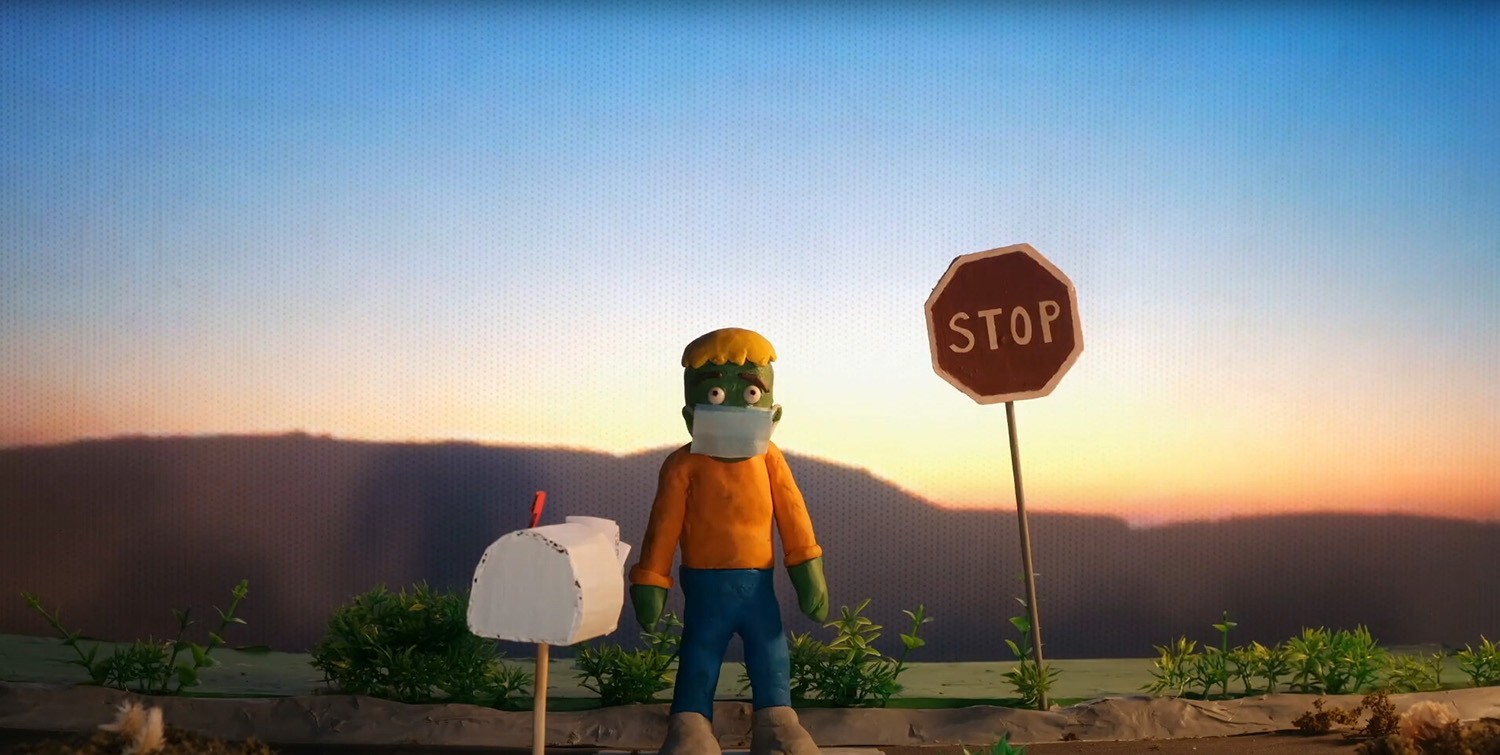
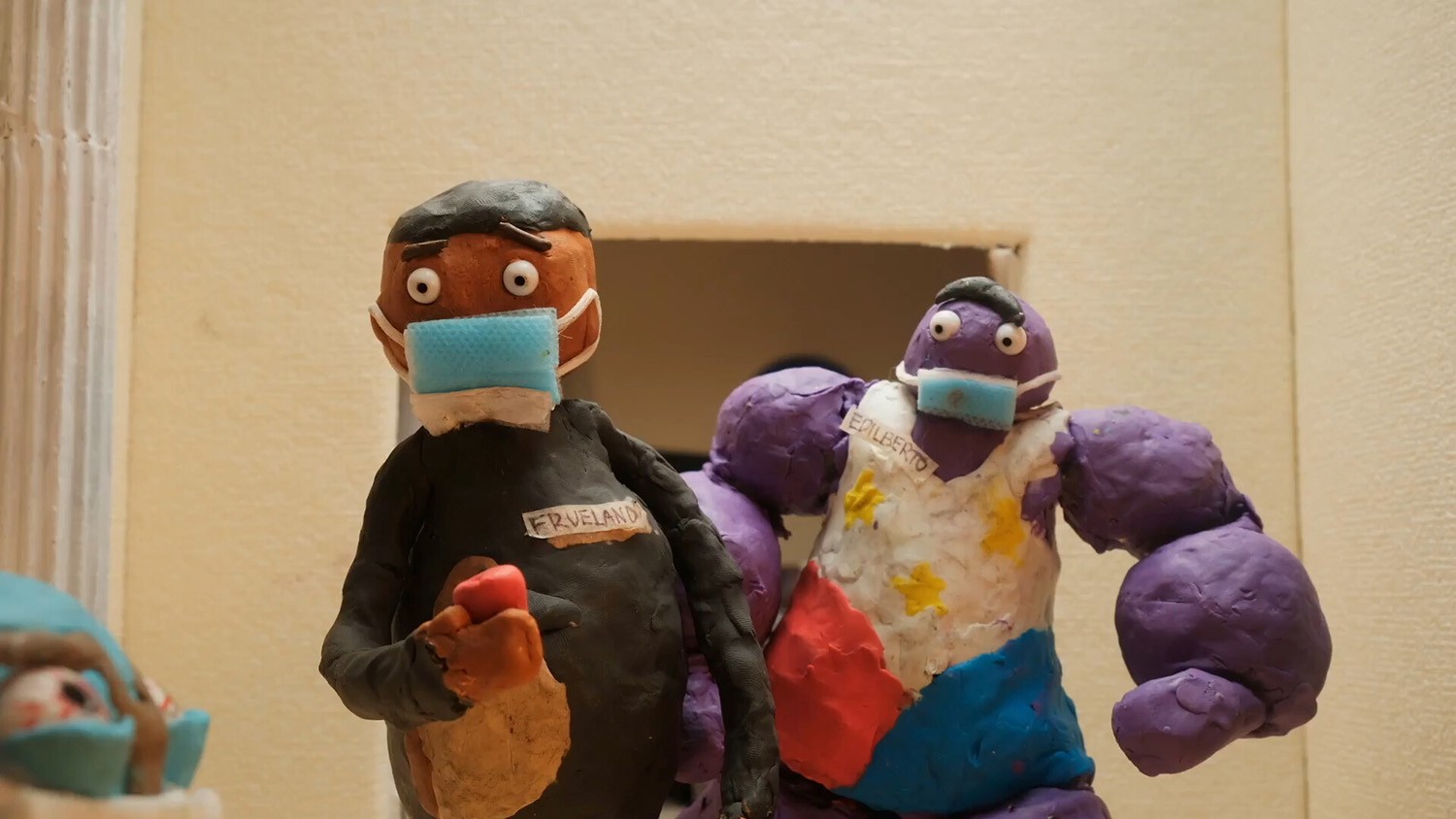
The film begins with Alec Dominguez, during the height of the COVID-19 pandemic, arriving at the orphanage that shares his surname. Boy, the town youth leader of the Sanggunian Kabataan, greets Alec at the front, and they embrace in good tidings before entering inside. As Boy fills him in on what he’s been doing so far, he mentions missing being a kid before giddily saying he likes kids (all while paintings of a vagina and penis are hung in the background). There, they catch up with Freuland, now a Mason, who tells Alec that he always sees his grand ventures in ballet dancing, acting, hosting a cooking show, or astronaut work, publicized in the newspapers. With Edilberto, another orphan, they join Song-Un (who’d been adopted by Korean parents, so he’s mostly forgotten how to speak Tagalog, hence why a translator accompanies him) at the dining room table.
Part 1: I Am Best
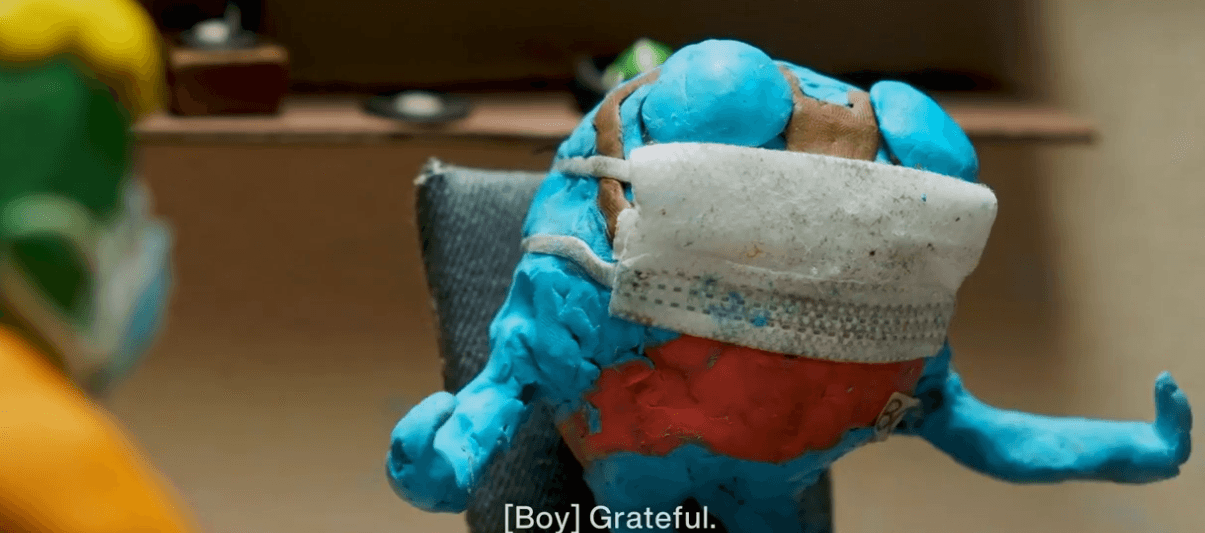
Edilberto asks Alec if he’s ever been to Disneyland, and Alec says yes. For someone like him, lavish vacations are just expected courses in his year. Jobs are of his own volition, not his desperation. Freuland, ever so kind, proclaims that Alec is just that good. And when Alec flippantly comments he’s working on learning the guitar, Boy can’t help but side-eye him. Song-Un, meanwhile, throws an accusation in Korean that playing guitar is a ‘gay’ hobby. The jealousy of Boy and Song-Un is apparent from their passive-aggressive behavior. Next, the desire to reprimand and humble Alec unleashes itself in the form of imposing the warning that if Alec can be grateful, then he can be forgiven, because the nonchalance of his listing down pursuits that come so easily to him without realizing just how difficult they’ve had it naturally strikes a nerve. Out of the blue, Edilberto admits to beating his wife.
[source: Cinemata]
Part 2: Best Left
Boy refreshes Alec’s memory of an old friend, Jeppilon Hornada, who enters the mess hall in a wheelchair. His voice is entirely robotic, and his character model resembles a cyborg. The audience discovers that when Boy rips off Jeppilon’s facemask, the irreparable burnt and peeling flesh is caused by the fire that brought ruin to the Dominguez Orphanage years ago. But the owners neglected their foundation entirely and did nothing to repair the damages; their focus and priority were on their adopted son, Alec. Soon, everyone else pulls off their coverings, each of the grown orphans possessing marks and scars wrought with pain and trauma — melted clay.
Part 3: Inside My Head
[source: Cinemalaya]
Together, Alec’s former crew amalgamate into a hulking abomination oozing ruddy and wet clay before they lunge toward the old friend they’ve come to resent. The creature rips and tears the skin off of Alec’s face as well as his limbs. All had been perfectly smooth, intact, and lacking ugly deviance. They wanted what he had, and they wanted to be him, the shot soon panning to a bloodied mess of organs and tendons.
Then suddenly, we’re back at the dining table, everyone as they were, no evidence of a prior massacre.
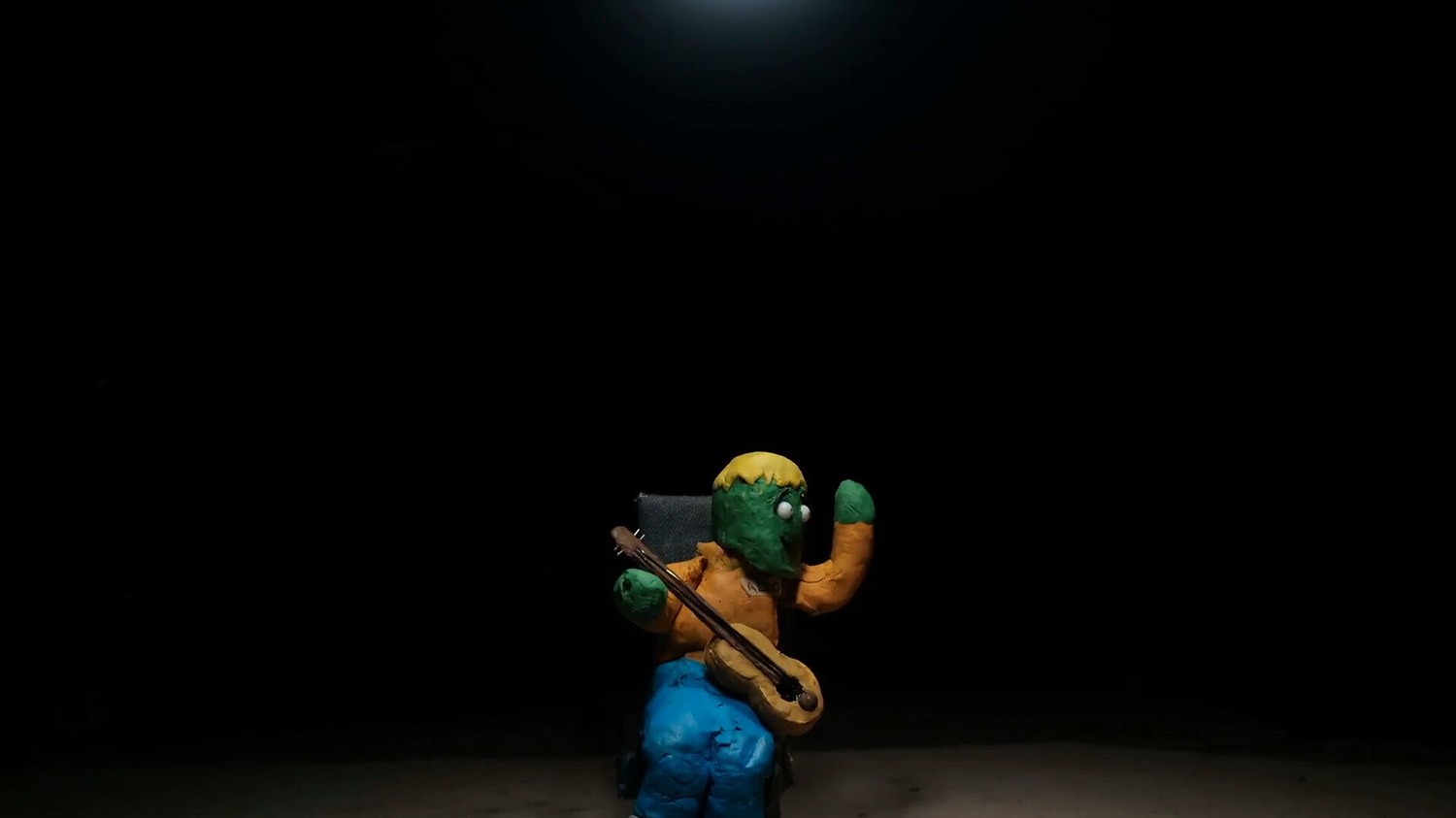
Boy takes his exit, remarking that Alec is nothing like them. Meanwhile, Freudland, and Edilberto swear their support to the young man. We transition to the final scene through the orphanage, alongside its occupants, fading to black. This leaves Alec in his room — his condensed world — where he strums his guitar, seemingly putting the whole interaction behind him.
[source: Cinemalaya]
Final Thoughts
Elian Idioma, during the open panel session after the movie, stated he wanted to tell a story depicting all kinds of monsters. We would consider someone like Edilberto, a man who beats his spouse, or Boy, a heavily implied pedophile, to be monsters in their actions. Idioma then added that it’s hard to completely hold someone accountable for abuse when abuse is all they’ve known, thus repeating a cycle that’s never bothered to be broken. Regarding the physical condition of the rest of the Dominguez Orphanage boys, it causes the community to shun them because of their permanent damage, as if they were monstrous sub-humans. However, Alec himself is a monster borne of his decision to disengage and move on with his life. His aspirations continue to serve himself, and only himself. His access to such opportunities makes him equally capable of giving back to the orphanage that his philanthropist parents abandoned to prioritize him. That kind of apathy is more hideous than the clay gore displayed a few minutes prior, because that is the kind of monster that exists around you and me.
I’m Best Left Inside My Head is an exciting and challenging work of art, that we should not be simply ‘left inside our heads.’ Rather, we must let it be told to fix and fold shut this long-standing problem.

Related Articles
/
Andrea Erin Brigino & Cassandra Khaine Odanga
/
Christine Laza & Annika Mamonong