The presence of music in the modern, urbanized age can be described as a passive but constant aspect of our everyday lives. Every store, advertisement, or campaign is made memorable with a jingle. Every movie, video game, and TV show is accompanied by a soundtrack or a score that cements an iconic character or scene.
Music has become so tangible, so accessible in mainstream culture that it is repeatedly personalized through playlists, following artists, and, more recently, Spotify, YouTube, and Apple yearly wraps. The ante for the music listening experience is constantly being upped, through listening parties, streaming goals for new albums, collecting artists’ fan merch, and attending concerts and music festivals. The music experience is constantly shaped by how certain songs make us feel special and seen, and how they affect us during different periods of our lives. Whether we listen to it on the radio, in public places, live at an event, or through the comfort of our devices, we cannot exactly say that the experience is scarce.
Music as an Inherent Luxury
This is an immediate draw to the film DJ Ahmet, which treats music as an art form not only through its power, but through its scarcity and inherent luxury. The film is set in rural North Macedonia, in a village where technology has slowly integrated itself through smartphones, WiFi limited to higher status households, portable electronics being sold at events, and the comedic relief of the city’s pastor figuring out the Church’s new speakers from his old desktop computer.
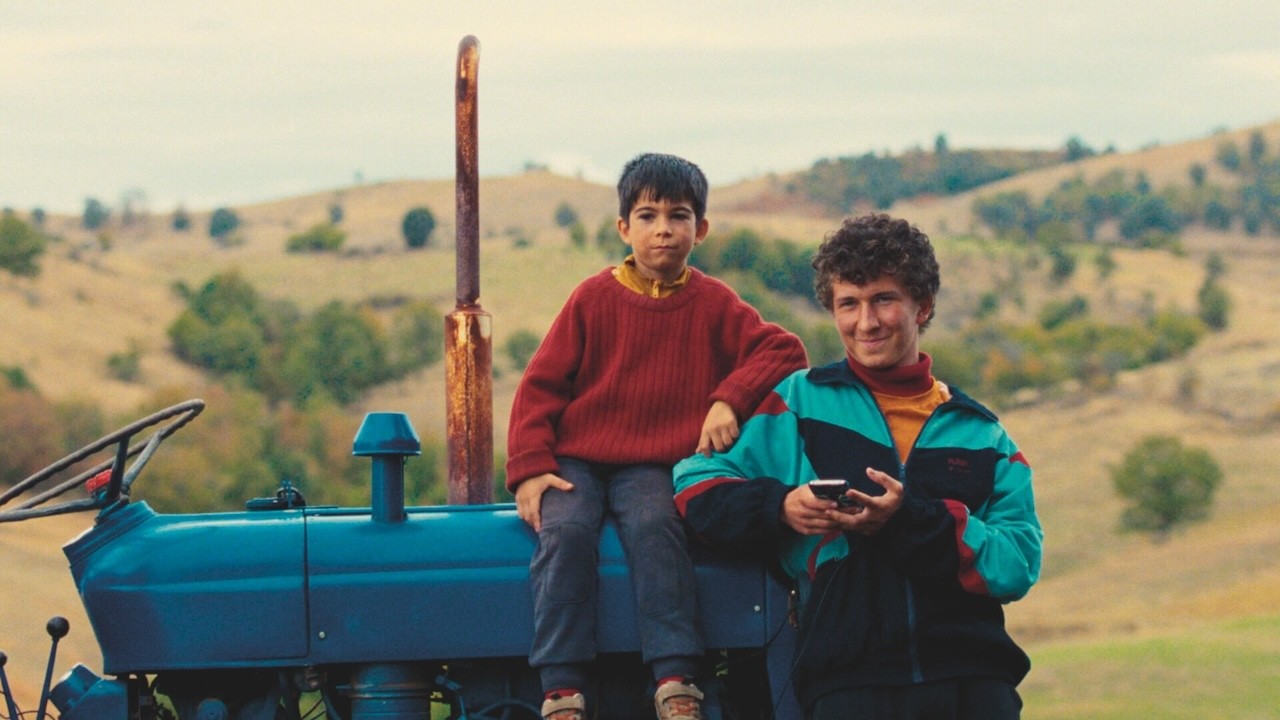
From slipping into festivals to buying portable speakers, our protagonist Ahmet has a clear affinity for music. It comes from a connection to his deceased mother, who also loved music. That is something he also shares with his younger brother Naim. But the movie frames his consumption of music as sparing, from his limited access to mobile data to only having time to attend a music festival when he detours from his task of manning the herd. Ahmet lacks the luxury of constant access to music. His WiFi connection is limited, and he works full-time tending his family’s farm while his father desperately searches for a way to “fix” Naim’s nonverbal nature. It takes going behind his father’s back to obtain speakers from the market, and even then he has to connect it to his tractor so he can listen to music while he works on the farm.
Contrary to Ahmet’s situation, Aya, another character in the film, has the luxury of listening to music as much as she wants, thanks to her family’s WiFi access. Even so, this luxury comes with caveats. Aya hides her love for music and dance behind closed doors, using it as an escape from her family's expectations. Their shared love for music has Aya and Ahmet, along with Naim, create a bond that somehow eases the responsibilities and social expectations placed upon their shoulders.
Without a care in the world, the three characters had shown their authentic selves to each other, their selves that their families keep trying to conceal. However, no matter how strong their connection is, it does nothing to repair what is broken in Ahmet's family, nor does it turn the tide in Aya's favor. However, it becomes a turning point. Ahmet comes to understand his father, Naim learns to talk, and Aya finally takes control of her own life — situations that seemed unlikely for themselves.
Music as a Needle
It is important to note that music does not serve as a driving force that solves everyone’s problems at the end of the movie, but a needle that weaves these threads together. Aya’s family does not miraculously change their viewpoints on her arranged marriage, nor do they allow her to see Ahmet again. She only gains freedom by leaving her hometown, likely not seeing Ahmet and Naim again. There is no shared understanding with her family, nor a resetting of societal expectations through her love for music. But as she gives up everything she’s known, through listening to music, she knows she made the right choice to advance in her life on her own terms.
The same could be said for Ahmet himself. He does not gain the approval of Aya’s family through blasting the music through the Church’s speakers, and the scars of his family left from the grief of their mother do not magically disappear. Instead, there is a recontextualization of the life his mother lived through music, and an understanding with his father and his brother of keeping her soul alive through what she loved, even if things never really turn out okay. It releases them from the chains of grief that have been pulling them down, preventing them from moving forward as a family.
With the family being relieved of these chains, Naim has also finally started to speak. Although music does play a part in pushing Naim to say his first words to Ahmet, that is not necessarily the only thing that aided him. His first few words were not brought about by the daily trips to the healer or the techniques used to force his voice out. He becomes capable of speech through Ahmet’s gentle, understanding nature, and his drive to cease Naim’s check-ups with the healer.
Music as a Part of–-but not--our Lives
DJ Ahmet’s outlook on music is a stark contrast to how music is actually consumed today. It places music in such a high regard, not only because of its inherent luxury, but also because of the emotional depth, connection, and memories that it holds and creates. This film also shows that, underneath the notion of music being a “subconscious part of society’s routine”, music carries power and impact that can change and influence the course of someone’s life.
However, no matter how dear music is to people, DJ Ahmet reminds us that at the end of the day, music is still just a part of our lives, but not our life. For music is this needle capable of weaving different threads, different people, together.

Related Articles
/
Christine Laza & Annika Mamonong