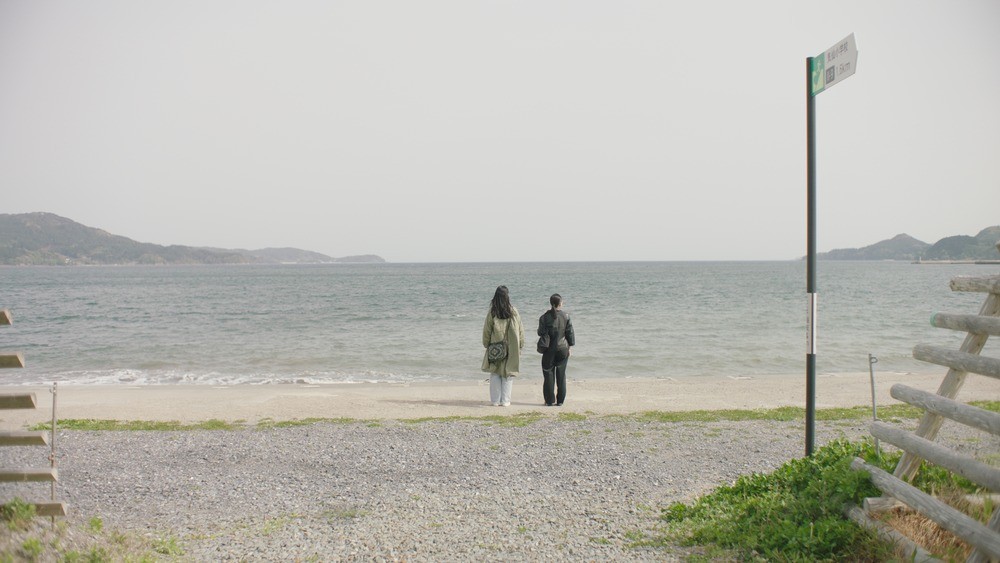
Rikuzentakata is a town in the midst of healing, with monuments commemorating its biggest tragedy. The protagonist of Kono Basho first sees this as a sign of weakness. Why hold onto things that remind us of our lowest moments? Eventually, she realizes, as she discovers the family she never knew, that artifacts of the past are not burdens, but sources of strength that help us find peace.
Last October 22, 2025, the Department of Sociology and Anthropology hosted a screening of Kono Basho as part of the Japanese Studies Program Week 2025, themed Kakehashi 架け橋, which roughly translates to 'Bridging Cultural Divides'. JSP Week is dedicated to hosting seminars, film screenings, and workshops that connect Ateneans to Japanese culture as a conduit to foster greater understanding. This film, directed by Jaime Pacena II, served as the perfect catalyst for discussing the subject of cultural divides, urging viewers to reflect on how they can overcome distance, whether physical, cultural, or emotional.
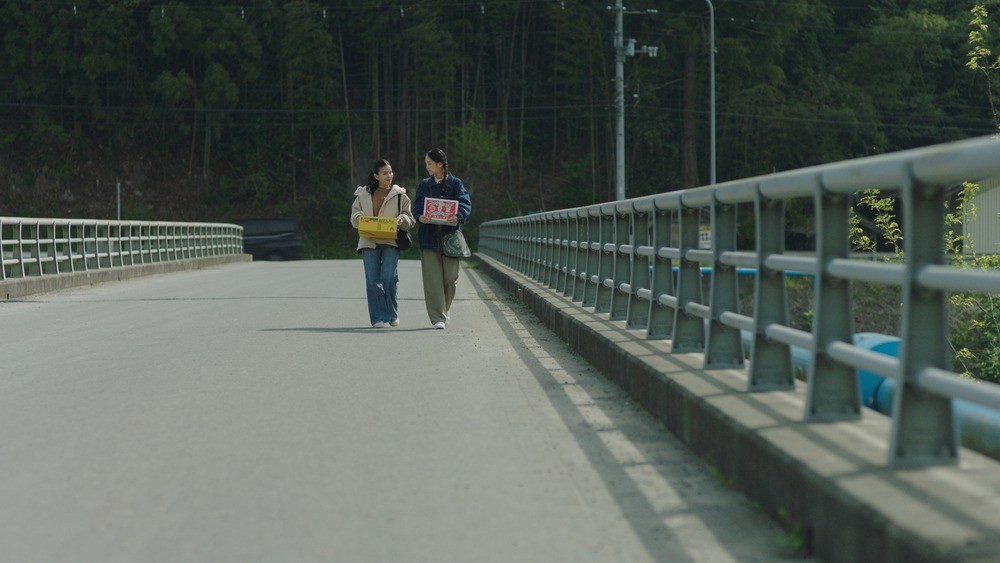
Ella, played by Gabby Padilla, visits Rikuzentakata for the first time — the place that her father called home since leaving her, remarrying, and starting a new family. His funeral is what drives her to arrive and finally meet Reina, her half-sister. Kono Basho centers around the dynamic between these siblings as they navigate grief, domestic dispute, and the legacy their father left behind. Ella is naturally contemptuous toward her late father, while Reina has long been dependent on him. How can both views be true? This is the central conflict the film reckons with.
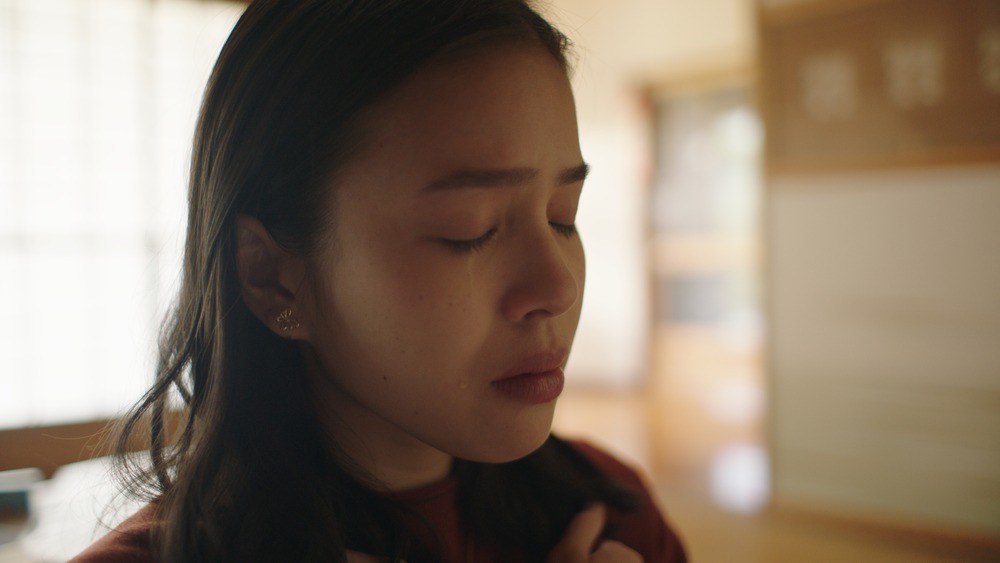
Ella’s extended stay in Rikuzentakata forces her to confront the reality of her father. With Reina, she sets off on a ghostly scavenger hunt, taking them through museums, temples, lost archival footage, monuments, and other relics that serve as reminders of the March 2011 Earthquake — the fierce calamity that befell Rikuzentakata. At first, it may seem puzzling why the film takes us down this rabbit hole, but over time, we understand that it’s through this tragedy that Ella discovers the man her father was.
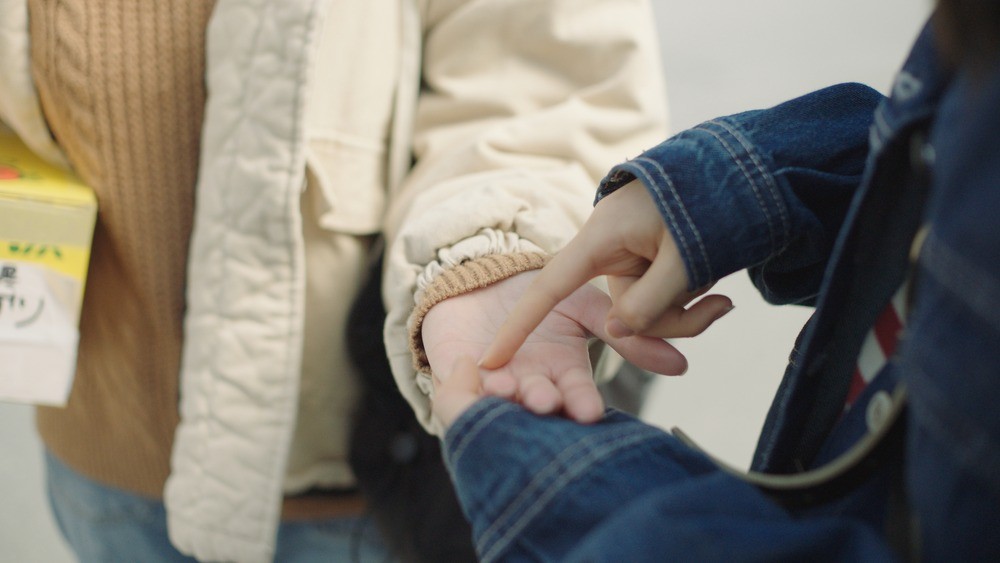
During the earthquake, Reina was washed away by the tsunami that engulfed the town. Despite this, Ella’s father was able to grab her from the current and bring her to safety. The image of Reina holding onto her father’s arm signifies her reliance on him, leading Ella to realize why her father couldn’t return. The standout moment in the film comes when Ella finally watches the footage from the March 2011 Earthquake, fully grasping the devastation and empathizing with her father’s hesitation to leave the ravaged town. This brought her peace and the strength to reconcile and connect with her newfound family. The film ends with her being able to move on, alongside having them by her side.
Talkback
After the screening, the hosts conducted a question-and-answer segment involving the film’s director, Jaime Pacena II, and its cinematographer, Dan Villegas, as panelists. In it, they discussed the motivation behind the film, particularly how Pacena really saw it as a story about rebuilding oneself, as he reflected on his own personal journey of renewal at the time.
When asked about whether there were instances of ‘cultural divide’ in making the film, they mentioned minor challenges such as lapses in communication, differences in work ethics — with the Japanese staff being notably more punctual — and how the Japanese crew were first unused to the noisier demeanor of their Filipino counterparts. Despite these differences, they stated both sides found common ground in their shared goal: to tell a deeply human story about grief and healing.
Pacena also spoke about the importance of “openness to change” in making the film. While scenes and set pieces were planned, he disciplined himself to remain flexible to the circumstances of shooting. Villegas recalled that the moment that genuinely united the crew was the temple scene between the two sisters. Although a detailed shot list had been prepared, the authenticity and emotion in the actresses’ performances inspired them to capture the scene in one take. For Villegas, that moment revealed the film’s true essence, and it further invigorated him to bring Pacena’s vision to life.
Kono Basho is an elegy that contemplates tragedy, abandonment, and love. These feelings are universal yet expressed differently across cultures. With this in mind, Pacena emphasized the importance of pagiingat in telling cross-cultural stories such as this, chronicling the consultation, research, and collaboration needed to achieve authenticity. Ultimately, the sentiment of both the film and the story of its creation is that we bridge cultural divides by approaching our stories with humility and consideration for perspectives differing from our own. This goes a long way in building genuine empathy and connection, no matter where we come from.

Related Articles
/
Andrea Erin Brigino & Cassandra Khaine Odanga
/
Christine Laza & Annika Mamonong