
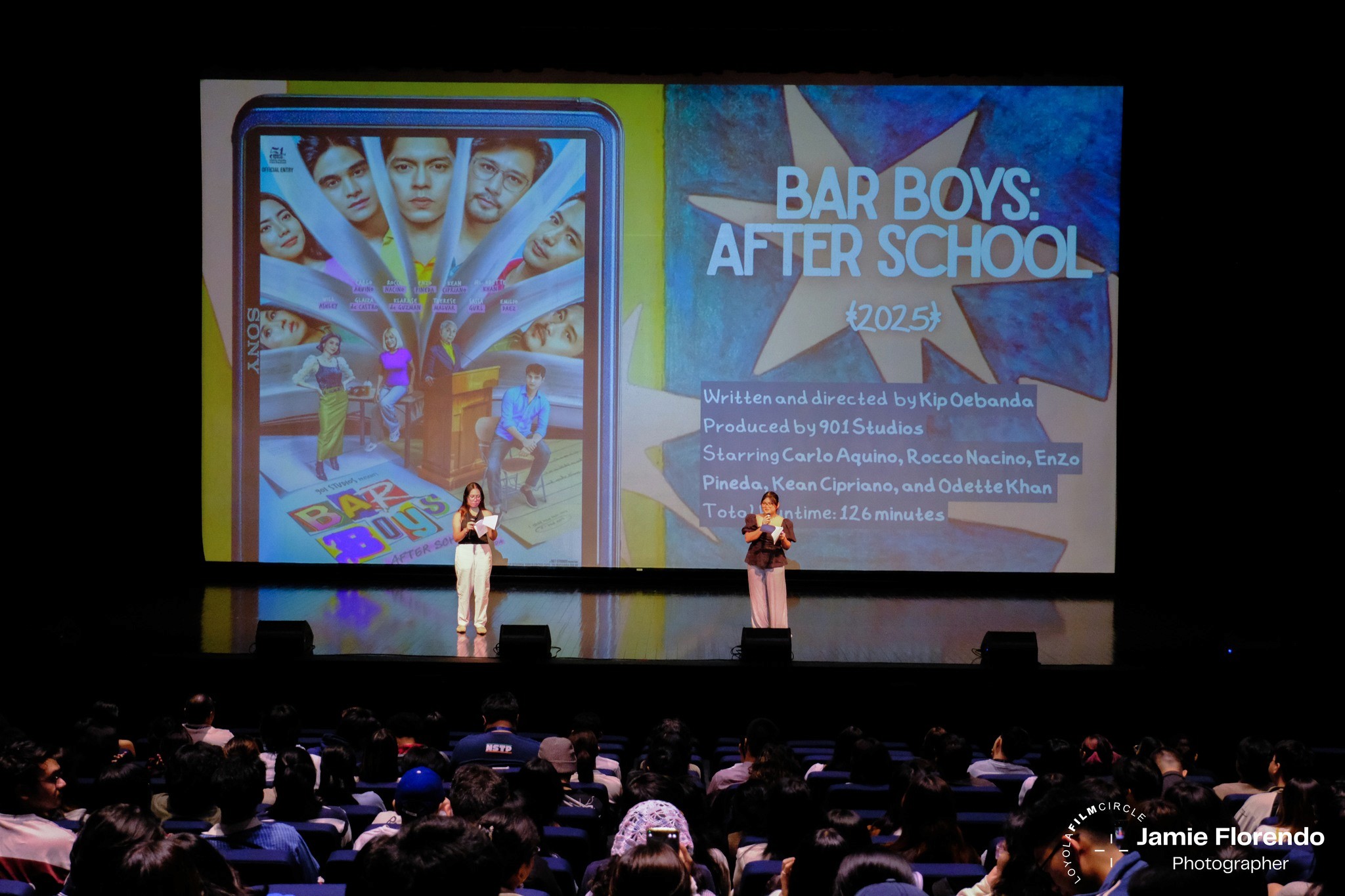
On March 18, 2026, Loyola Film Circle held a film screening and talkback at Hyundai Hall, Areté for ‘Bar Boys: After School,’ a sequel to the hit film that served as inspiration and comfort for aspiring Filipino lawyers. Whether coincidental or divined, the event coincided with the law school entrance exam and provided the audience with a glimpse into the life of a law student and how lawyers navigate their experiences.
‘Bar Boys’ encapsulates the Filipino youth in trying to survive a system that demands so much from one person. ‘Bar Boys: After School’ follows up on its predecessor by finding this fighting spirit to continue after losing it time and again. In many ways, ‘Bar Boys: After School’ deals with maturity and second chances.
Diving into the film itself, the audience is treated to the lives of the cast ten years after the events of the first film, although all are in less ideal situations. Erik is overworked and has to deal with a system where his clients can barely afford the legal fees to be supported. Despite having a happy home life, Torran is discontented with the work he does for his law firm. Chris returns to the Philippines on a one-year leave, recently separated from his wife and navigating how to make amends with his family. Lastly, Josh returns to law school after failing the entrance exam ten years ago and ending his time as an actor, simultaneously going to rehab for his drug use.
Kip Oebanda abandoned the three-act structure to tell the continuing story of the four men and the new additions to the cast. One can say that the film was incoherent and disjointed, which are valid criticisms. However, this can also represent Oebanda’s vision of how life contains missing pieces of the entire story, and there is no clear three-act structure for us to hold on to. The emotions of human beings are what drive our lives, not a plot beat. This decision was intentional on Oebanda’s part, who stated in the talkback portion that he wanted to emphasize the emotional aspect. He stated that while this thought process wasn’t conventional, it was a communal story, rather than an individual one. For viewers, it might seem frustrating that some arcs weren’t complete, such as the case of Chris, but Oebanda believed it was more thematically appropriate because people in real life do not complete their arcs immediately, and Chris is only in the first act of his once the film ends.
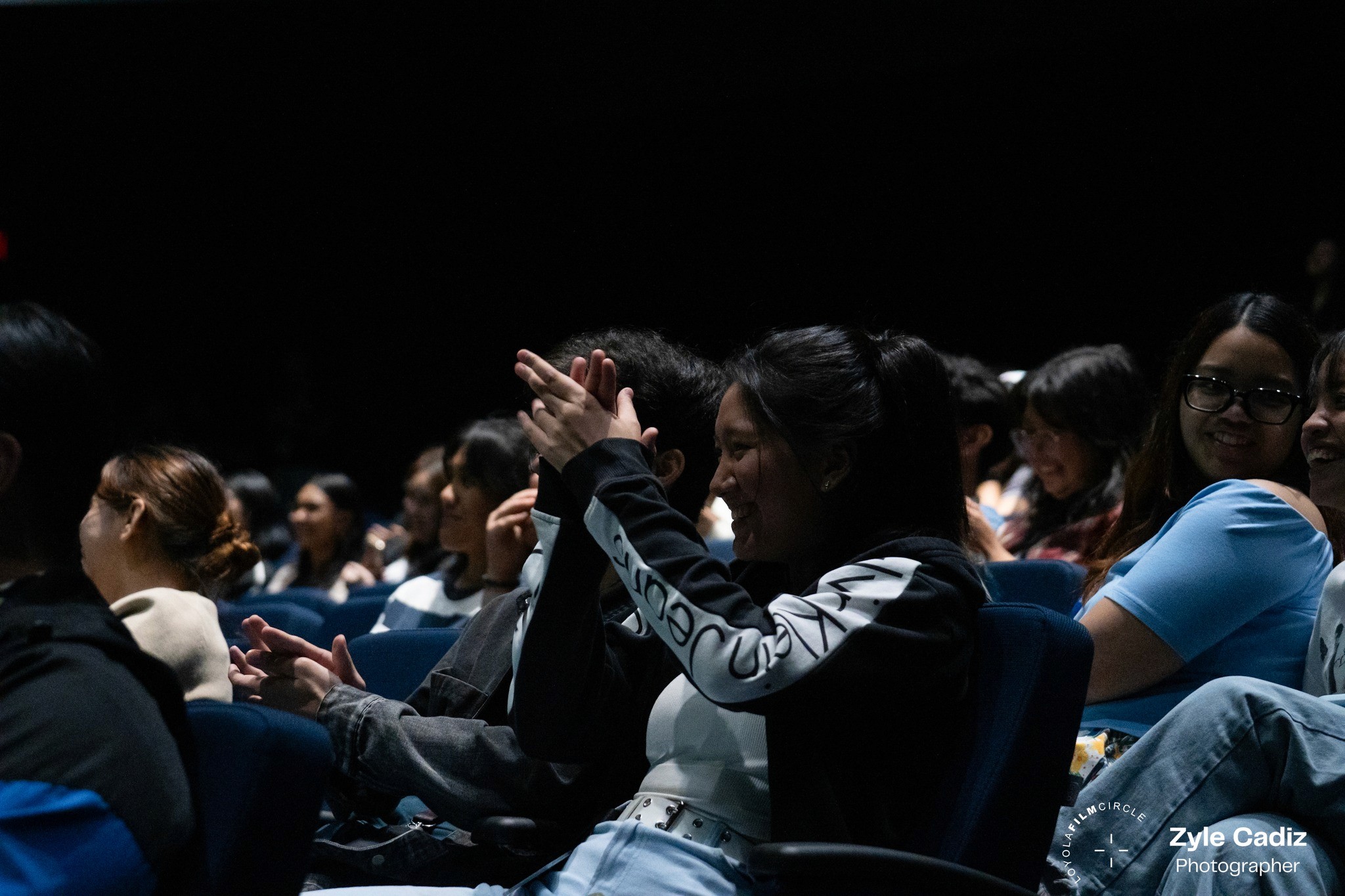
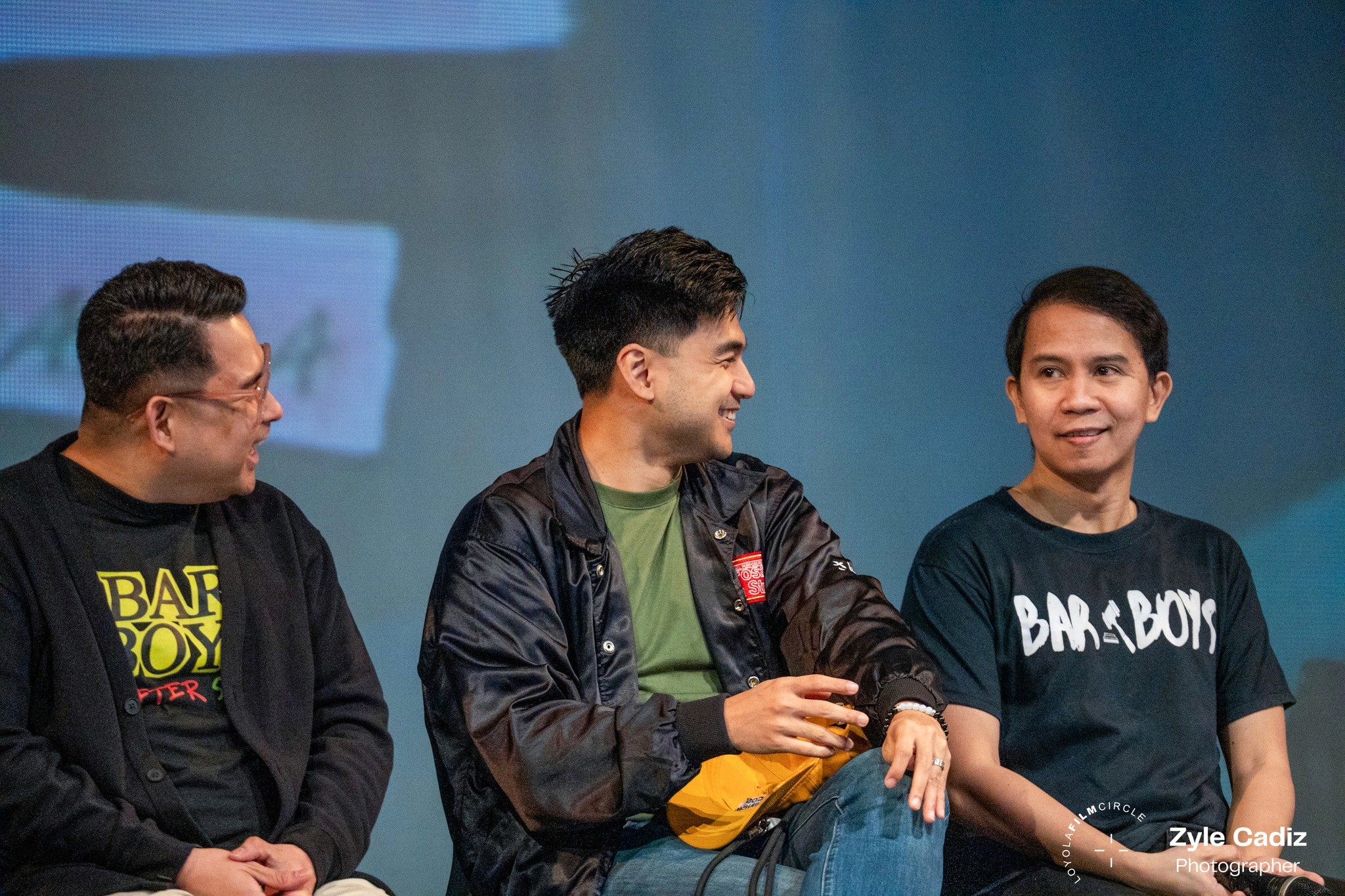
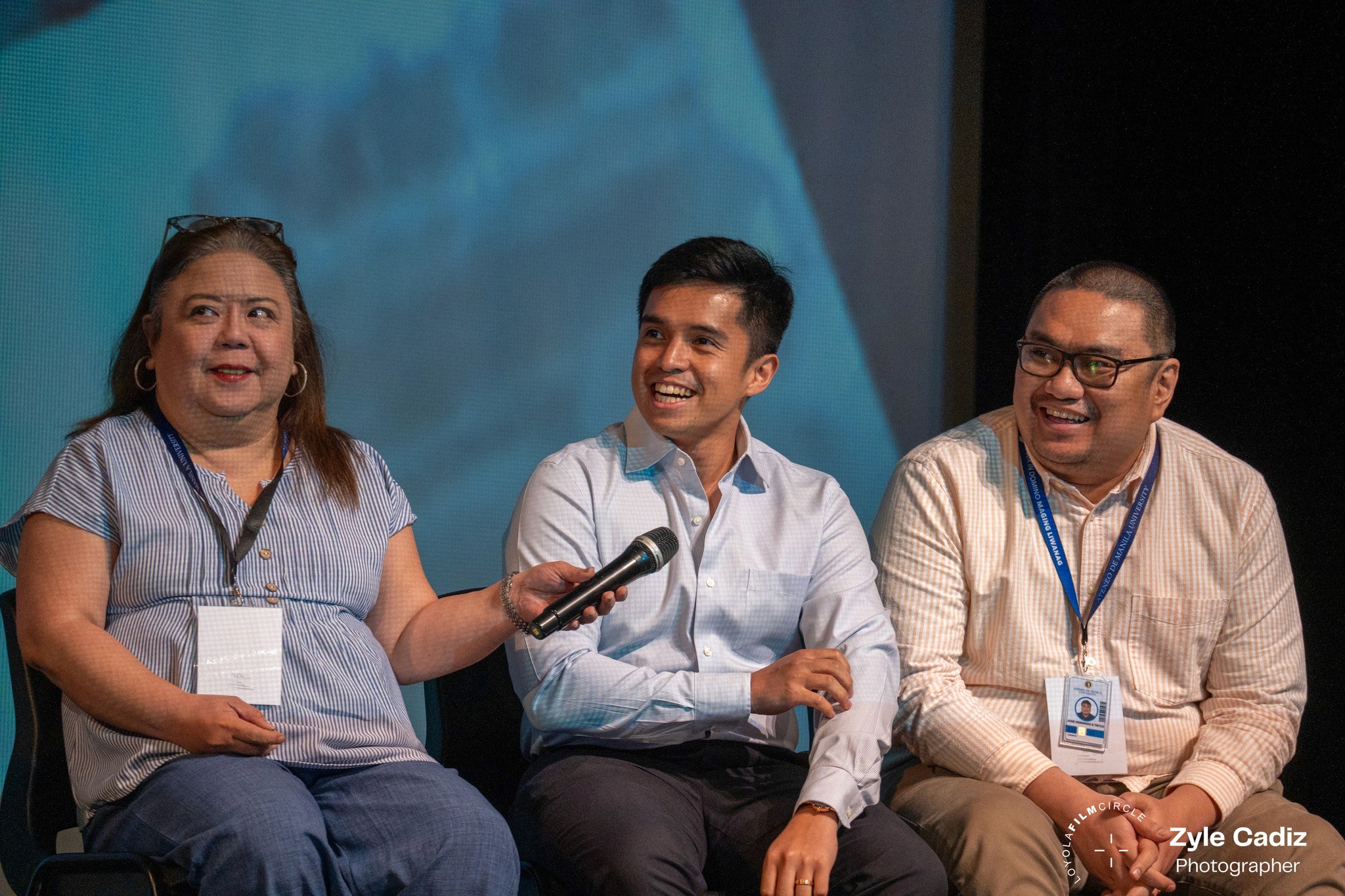
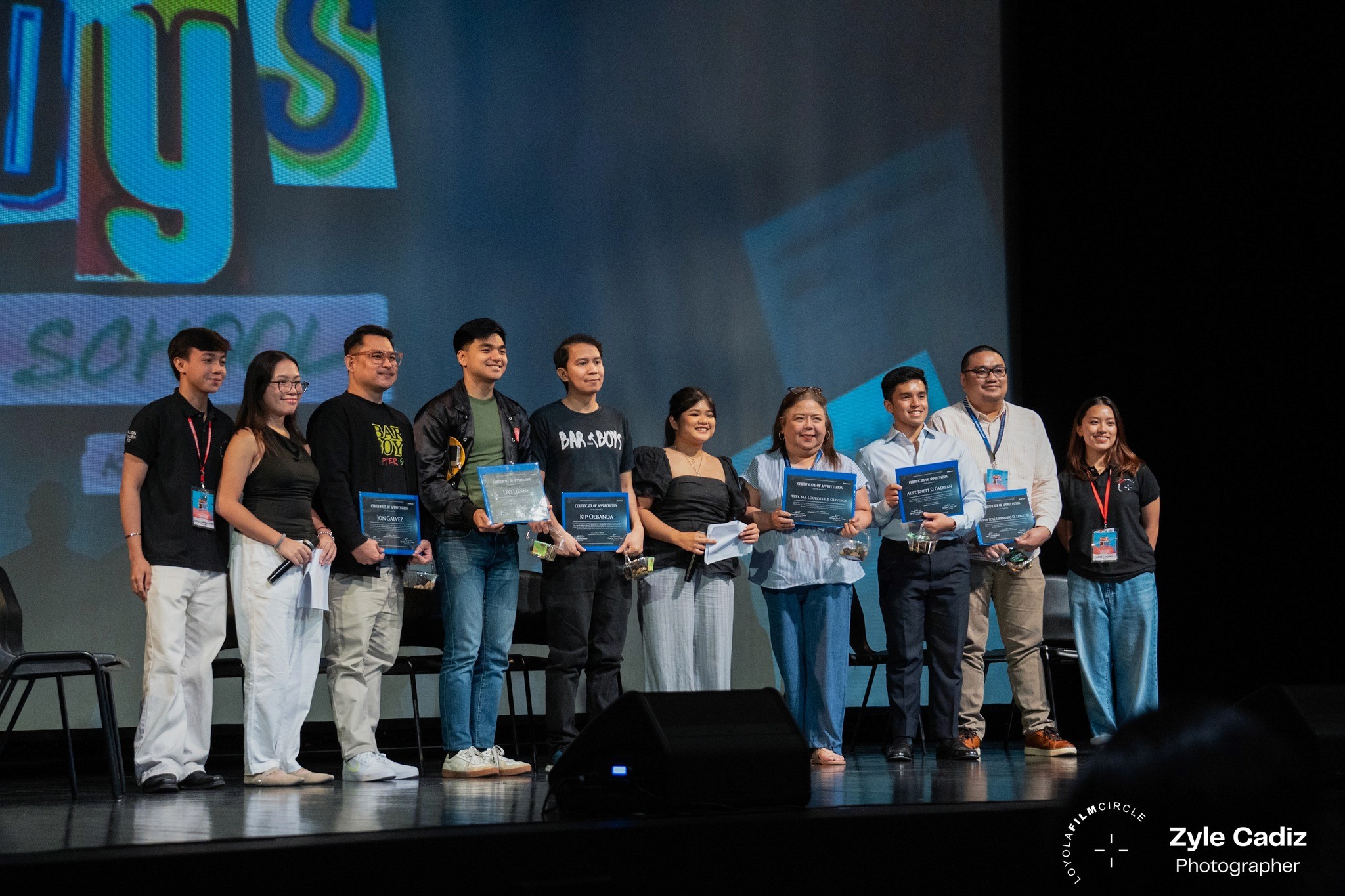
After the film screening ended came the talkback, which consisted of a diverse panel of producers, lawyers, and the film’s director. The speakers who served as inspiration for aspiring law students were Atty. Rhett D. Gaerlan, Atty. Ma. Lourdes E.B. Oliveros, and Atty. Jose Herminio D. Taylo III. While attendees had the opportunity to ask behind-the-scenes questions from the guests, producers Jon Galvez and Leo Liban, and the film’s director, Kip Oebanda.
One particular question asked was “What can you say to people who are losing their drive?” Oebanda responds by prefacing that he didn’t have much hope in 2021 because of the state of the country and what the future of the Philippines entails. It was hard for him to make a hopeful film when he himself was not hopeful. It was during a conversation with Ricky Lee that helped him come to the conclusion that maybe making that particular film wasn’t about him having hope or making himself hopeful, but rather giving hope to other people.
This leads to another significant question in the talkback addressed to Atty. Oliveros: “What message would you want to share with aspiring female or queer lawyers, who are met with discrimination like Trisha, this Women’s Month?” Atty. Oliveros recalls a certain dialogue from Trisha Perez in the film, which discusses the history of the discrimination Filipino women have faced throughout history. From women not being allowed to vote until 1937, to now having the ability to change the system as lawyers, the fight for autonomy and representation is a grueling process, but it does not erase the fact that women have been given more autonomy and opportunities to pursue their dreams. This is further emphasized when Atty. Oliveros stated that women have been dominating the population of law schools. Filipino women still face discrimination in the field, but one can see that they have come a long way in just a century.
The film and the event mirror each other in giving the audience a sense of hope that, in the midst of tackling an unforgiving system that takes so much from someone, there is a need for us to find drive and purpose in doing good. The four original men from the film do their best to fight a case they have no way of winning because they knew it was their duty to do so, and they knew they needed to give people something to hope for in a system that doesn’t care about them. This is reminiscent of Oebanda's and Atty. Oliveros’ experiences, expressing that they continue to do what they do in hopes of helping other people. During the times when it's easiest to give up, the film tells us that there will always be people to help you get up.

Related Articles
/
Ava Dumaup
/
Aria Lim & Christine Laza